School of Architecture
Imagine yourself working alongside other highly passionate students under the guidance of a distinguished faculty of practicing architects in the School of Architecture. We are a progressive design laboratory, exploring the boundaries of one of the most compelling professions you can enter today. Combine theoretical knowledge with practical skills, achieving a balance between conceptual thinking and hands-on problem-solving. You will gain a holistic understanding of fundamental architectural design principles, as well as a deep comprehension of the expansive history and technical intricacy of the practice and profession. Our broad international community offers a unique educational and cultural experience that addresses relevant questions about the future of our society, enabling our students to become leaders and change makers, to build a better world.
Start your career now
Schedule your career planning session today!
Degrees

M.Arch 1
expand_more
When you study in the studio-centric, NAAB-accredited Master of Architecture Track 1 (M.Arch), you already come in with an architecture-related undergraduate degree. Your existing education will be enhanced through this professional program by bridging the latest design methods in architecture with integrated technical competence. The program is designed to develop your unique architectural perspective. We will help you become a fully formed designer, well-versed in up-to-date technical developments, contemporary architectural design, and the practice of making and building. The professional M.Arch degree offers you an internationally recognized credential and is the first step towards professional licensure in the US and many other countries around the globe.
The Master of Architecture (M. Arch) programs are accredited by the National Architectural Accrediting Board (NAAB), and offer a path to architectural licensure accepted in all US states. The program adheres to the learning outcomes and unit requirements mandated by NAAB.
The Master of Architecture (M. Arch) programs are accredited by the National Architectural Accrediting Board (NAAB), and offer a path to architectural licensure accepted in all US states. The program adheres to the learning outcomes and unit requirements mandated by NAAB.
M.Arch 2
expand_more
In the studio-focused NAAB accredited Master of Architecture Track 2 (M.Arch), we will build your skills from the bottom up. Your abilities will accelerate quickly through this professional program as you learn the latest design methods in architecture. You’ll eventually master integrated technical competence when joining the Track 1 cohort after your first year. The program is designed to develop your unique architectural perspective. We will help you become a fully formed designer, well-versed in up-to-date technical developments, contemporary architectural design, and the practice of making and building. The professional M.Arch degree offers you an internationally recognized credential and is the first step towards professional licensure in the US and many other countries around the globe.
The Master of Architecture (M. Arch) programs are accredited by the National Architectural Accrediting Board (NAAB), and offer a path to architectural licensure accepted in all US states. The program adheres to the learning outcomes and unit requirements mandated by NAAB.
The Master of Architecture (M. Arch) programs are accredited by the National Architectural Accrediting Board (NAAB), and offer a path to architectural licensure accepted in all US states. The program adheres to the learning outcomes and unit requirements mandated by NAAB.
M.Arch – IPAL
expand_more
There are two pathways for the M. Arch program: M. Arch 1 & 2 and M. Arch 1 & 2 IPAL (Integrated Path to Architectural Licensure). In Northern California, Academy of Art University is the only Architecture School that offers the IPAL program.
The M. Arch IPAL is the shortest path to architectural licensure in the states that accept the IPAL program. Students simultaneously complete requirements for Education, Experience, and Examination by accruing work experience in architecture and taking licensing exams while taking classes. Students are supported in applying for paid internships through coursework and mentorship.
The M. Arch IPAL is the shortest path to architectural licensure in the states that accept the IPAL program. Students simultaneously complete requirements for Education, Experience, and Examination by accruing work experience in architecture and taking licensing exams while taking classes. Students are supported in applying for paid internships through coursework and mentorship.
MA-ARH I & MA-ARH II
expand_more
When you enter the WSCUC accredited Master of Arts in Advanced Architectural Design (MA-ARH I and MA-ARH II) degree programs, you are allowed to specialize in a particular area of interest. These programs are dedicated to advanced architectural design investigations within the environment of a large and vibrant art and design university. You can develop your own design interests covering diverse fields that integrate contemporary architectural developments, advanced design theory and techniques, and emerging technology. The MA-ARH I is open for students without a background in architecture. The MA-ARH II is open to students who hold a degree in architecture or a related field; a portfolio review is required for admission. The Master of Arts in Advanced Architectural Design (MA-ARH I and MA-ARH II) degree programs are not accredited by NAAB and may not be accepted as meeting licensure requirements in many U.S. states.
B.Arch
expand_more
Our NAAB-accredited Bachelor of Architecture first professional degree program will provide you with an intense design education. You will develop your capacity to analyze, synthesize, and create intelligent architectural designs. You will engage with the profession both in and beyond the classroom through a rich array of field trips, firm visits, networking events, and internship opportunities. Our rigorous design studio curriculum will prepare you to contribute meaningfully to the built environment. You will gain critical thinking, research, design, and technical skills; you’ll be well-prepared for our evolving profession. If you don’t yet have an undergraduate degree, our B.Arch program allows you to most efficiently pursue an architecture license and successfully enter the profession with a comprehensive portfolio.
The Bachelor of Architecture (B. Arch) program, accredited by the National Architectural Accrediting Board (NAAB), offers a path to architectural licensure accepted in all US states. The program adheres to the learning outcomes and unit requirements mandated by NAAB.
The Bachelor of Architecture (B. Arch) program, accredited by the National Architectural Accrediting Board (NAAB), offers a path to architectural licensure accepted in all US states. The program adheres to the learning outcomes and unit requirements mandated by NAAB.
B.Arch – IPAL
expand_more
The B. Arch IPAL (Integrated Path to Architectural Licensure) is the shortest path to architectural licensure in the states that accept the IPAL program. Students simultaneously complete requirements for education, experience, and examination by accruing work experience in architecture and taking licensing exams while taking classes. Students are supported in applying for paid internships through coursework and mentorship. Academy of Art University is the only Architecture School that offers the IPAL program in Northern California.
BA
expand_more
When you study in the Bachelor of Arts in Architecture (BA) program, you will gain a robust foundation in architectural design with skills transferable to related disciplines. You will learn how to define a problem, work through design iterations, and refine evaluative criteria, all while building a strong portfolio. These transferable skills will prepare you for multidisciplinary and interdisciplinary design practices within and beyond architecture. You will have the option to pursue graduate school or employment in architecture (or related fields) upon graduation. Curricular flexibility enables you to select courses that best prepare you for your individualized goals. In the State of California, the BA degree offers a modified path to architectural licensure. The BA Architectural Design degree program is not accredited by NAAB and may not be accepted as meeting licensure requirements in many U.S. states.
Allied Skills
Interior Architecture & Design
expand_more
The School of Interior Architecture & Design is a serious professional program for the serious professional designer. Our curricula delves not only into the conceptual and theoretical, but into the practical as well. Our teaching is hands-on, focused on aesthetics, and geared toward application and business. We are accredited by the Council for Interior Design Accreditation, the most prestigious accreditation available in the United States for interior design schools.
Landscape Architecture
expand_more
Landscape Architecture is the perfect combination of art and science, urban and rural, living systems and sculptural form, historical precedent, and innovative vision. It is the profession of the future. The School of Landscape Architecture at Academy of Art University provides students with the design and technical skills required to enter the profession and create beautiful, viable, and innovative outdoor places anywhere in the world.
Industrial Design
expand_more
Become a car designer, create the next hit sneaker, or design that must-have piece of furniture. From smartphones to Mars landers, industrial designers create tomorrow’s products today. You will learn to design with the user experience as a priority, a product’s branded look and feel as a criteria for success, and sustainability as a key design element. Our hands-on collaborations with industry partners such as General Motors, Nike, Audi, Volvo, Hasbro, and so many others, allow you to gain real-world industry experience while still in school.

Online Learning

When you study online in our accredited undergraduate and graduate architecture degree programs, you will take classes from the same experienced and practicing professionals who teach on campus. You will earn about all aspects of architecture from architects, artists, engineers, and construction experts. The online architecture program balances the intellectual, artistic, and technical abilities necessary for professional practice.
You will communicate directly with our faculty with detailed design studio critiques. The online experience is community-based and collaborative. You will web conference with peers, teachers, and esteemed guest reviewers and critics, all of whom will participate in your design process.
Student Work

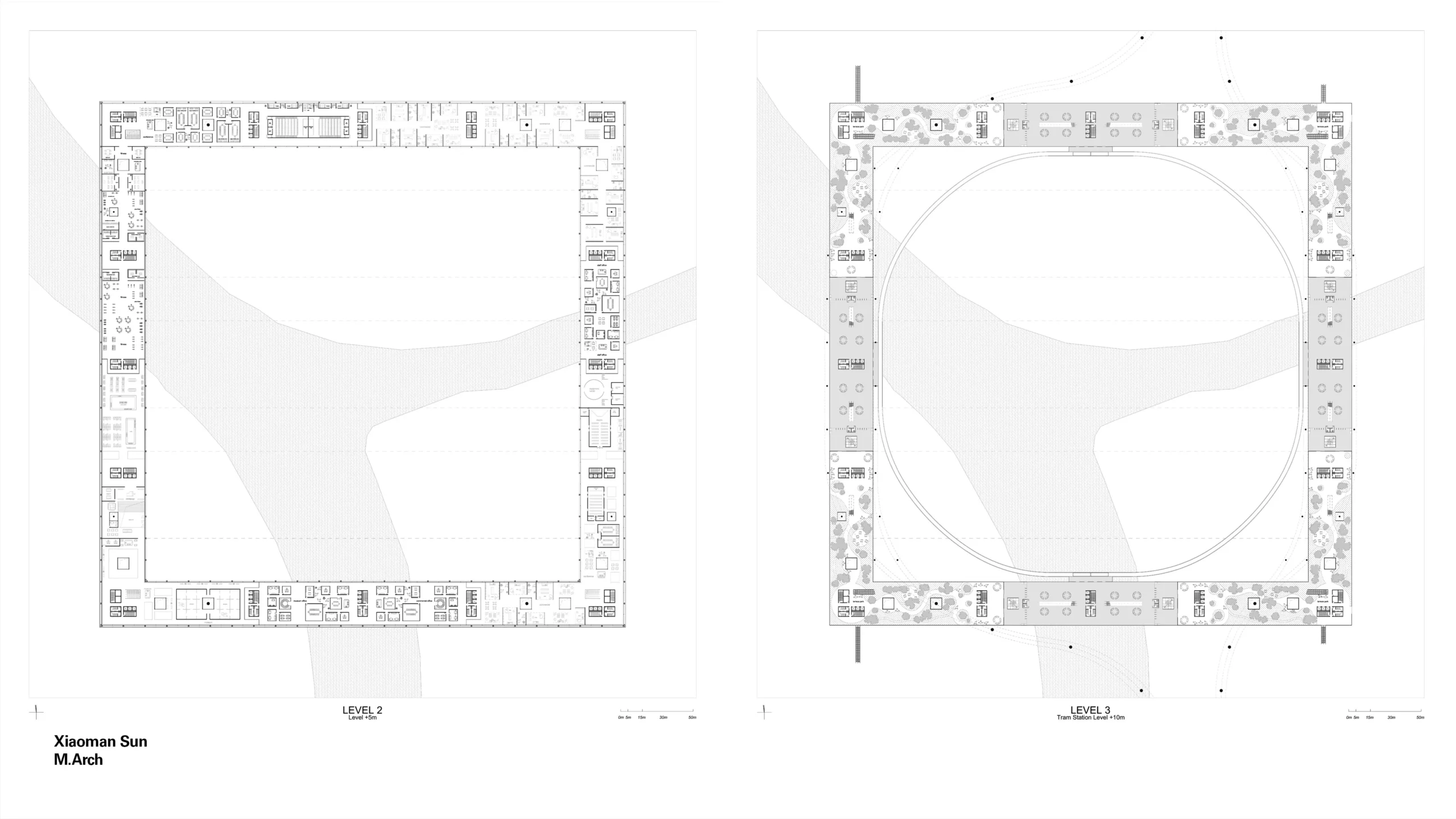

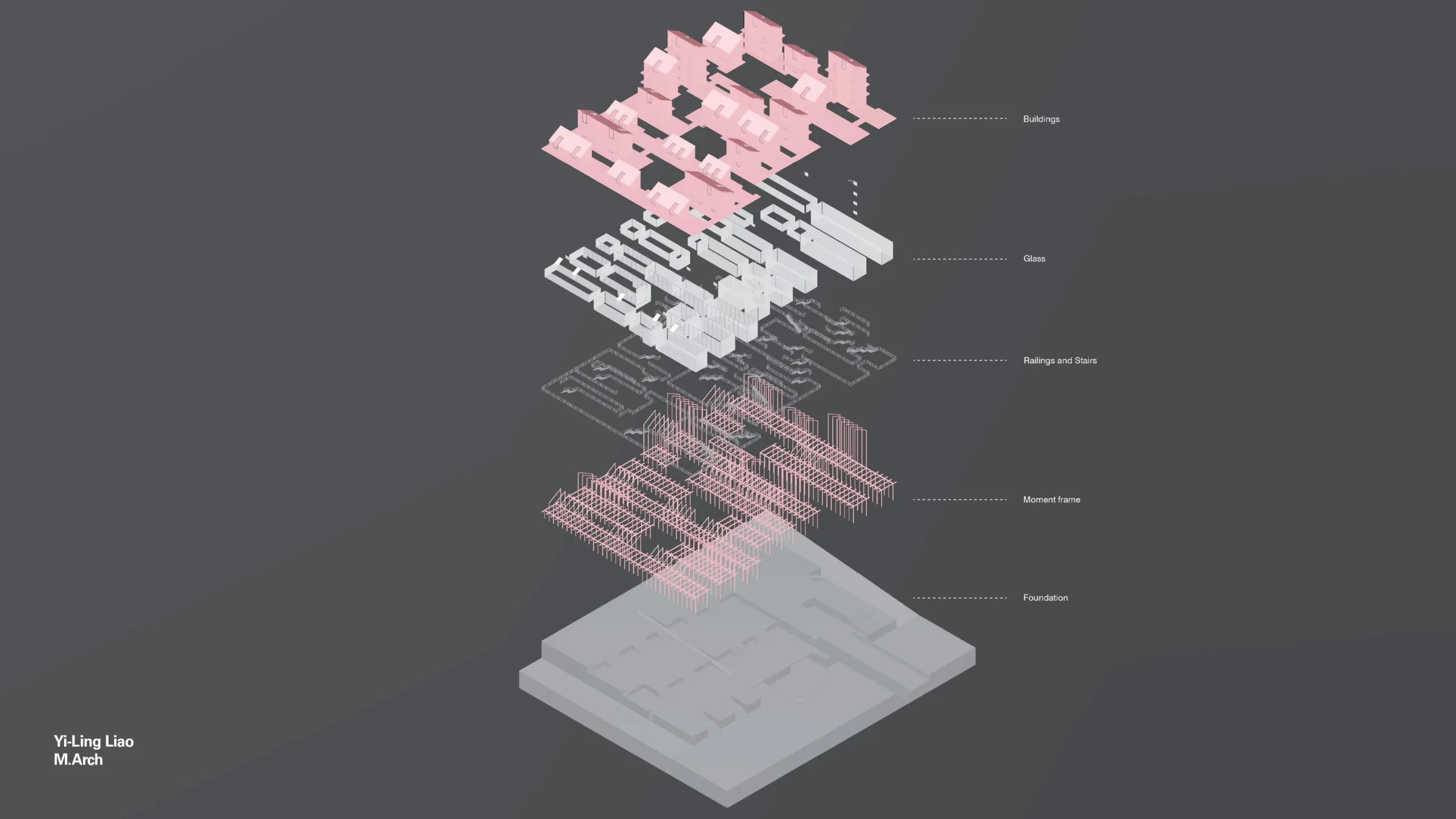

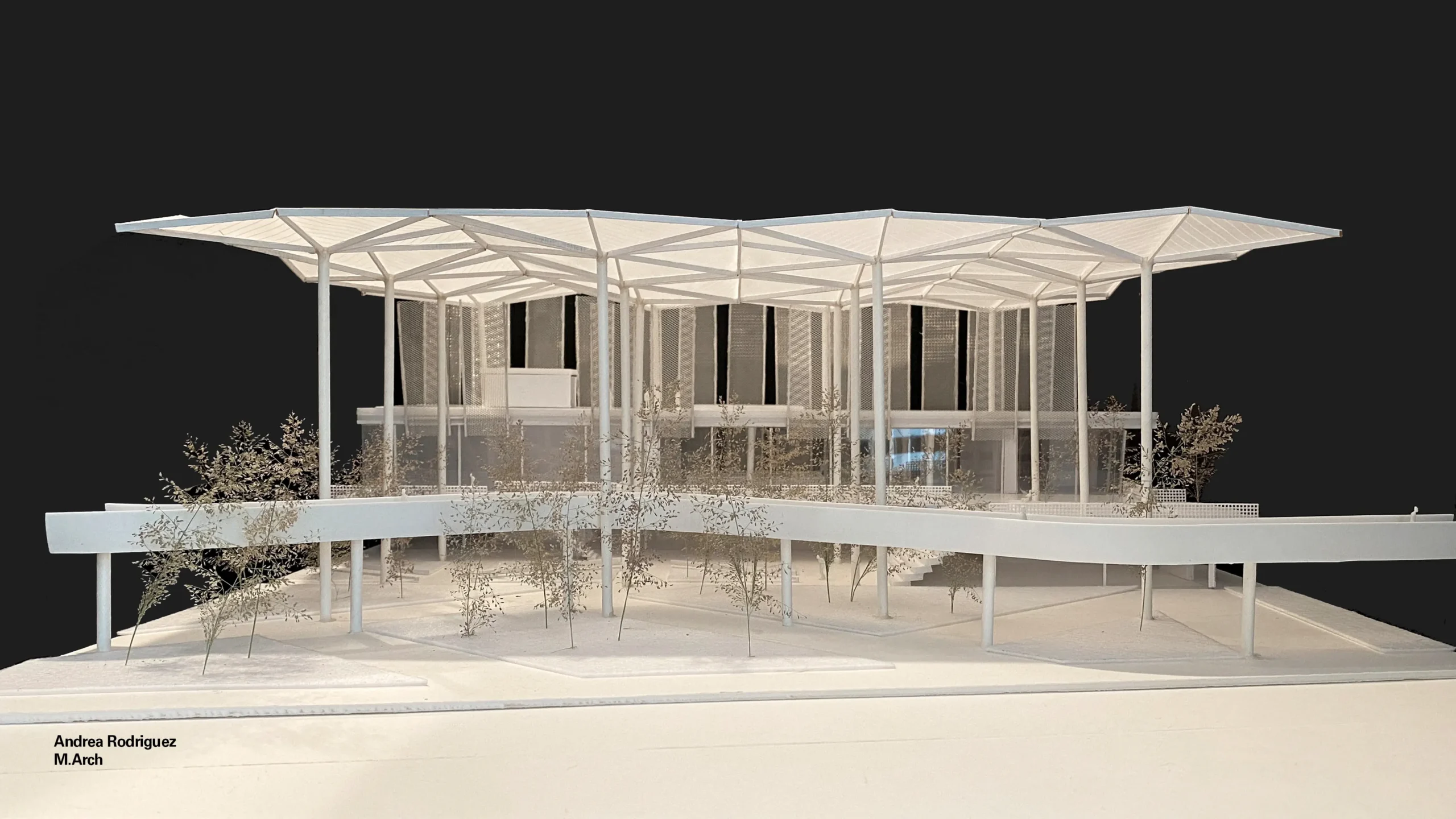

Careers
You will enter the profession well-prepared; you’ll graduate as a critical thinker and visionary designer with the skills and experiences needed to launch you into an architecture career. We provide you with the knowledge and abilities necessary to investigate your ideas and transform your architectural visions into built reality. We strongly believe in your potential to shape the future of our environment as a critical leader in your field. Incorporate AI in architectural design to enhance your innovative capabilities.
- City and Urban Planner
- Construction Manager
- Design Consultant
- Project Architect
- Self-employed Architect
- Sustainable Design Consultant
Companies That Have Hired Our Students




My classmates and I have felt that our education has proven to be invaluable as we step into the profession. The program prepared us for a seamless transition between my education and career. I am so thankful for the support from my faculty in and outside the classroom.

Samantha Buckley
B.Arch Architecture – Associate, Gensler