
School of Fashion
Academy of Art University’s School of Fashion is often cited in domestic and international publications as one of the world’s leading fashion design schools. While industry recognition is important and gratifying, it’s the success of our students and alumni in the real world that truly motivates us.
Our program is comprehensive; we offer degree options that span the fashion career spectrum. We take students beyond fashion design and textiles into every aspect of the industry, including marketing, visual merchandising, journalism, communications, styling, and product development. Our graduates are skilled, experienced, and connected—fully prepared to create their own place in the fashion industry. Integrate AI into your fashion career and discover new opportunities.
Start your career now
Schedule your career planning session today!
What You’ll Learn
Fashion Design
expand_more
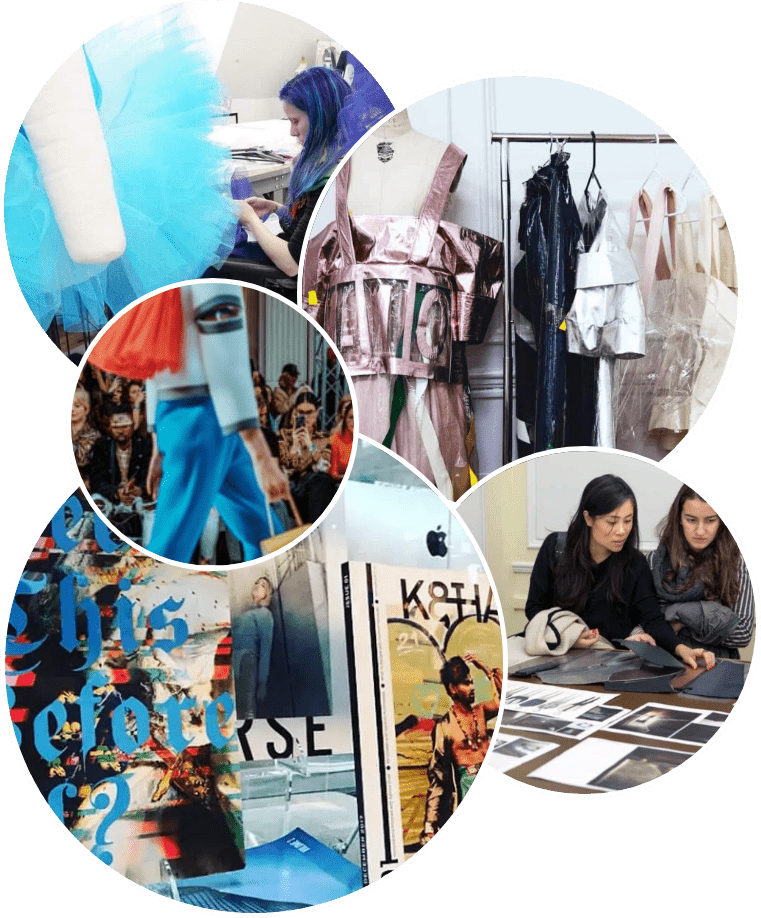
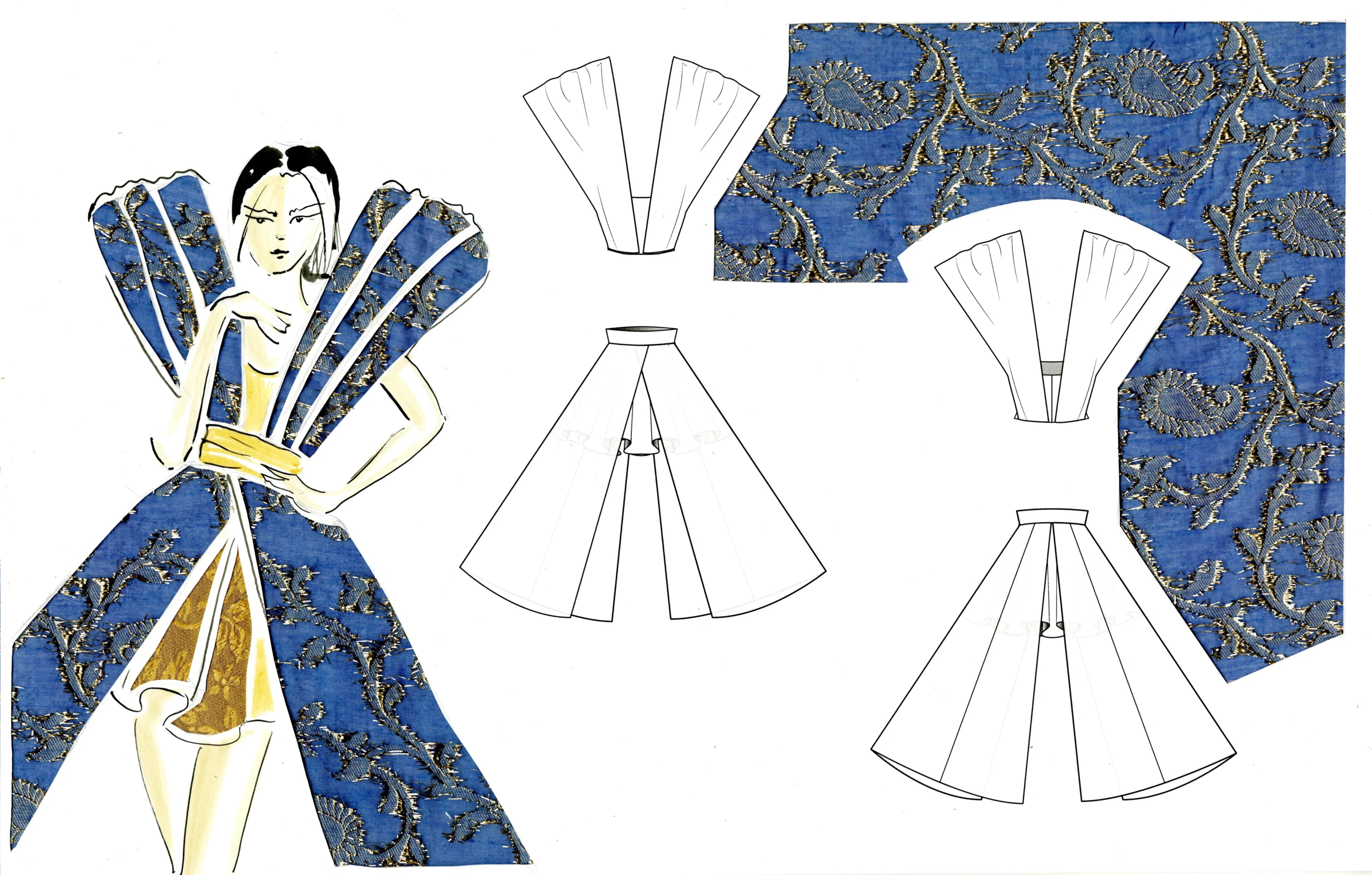
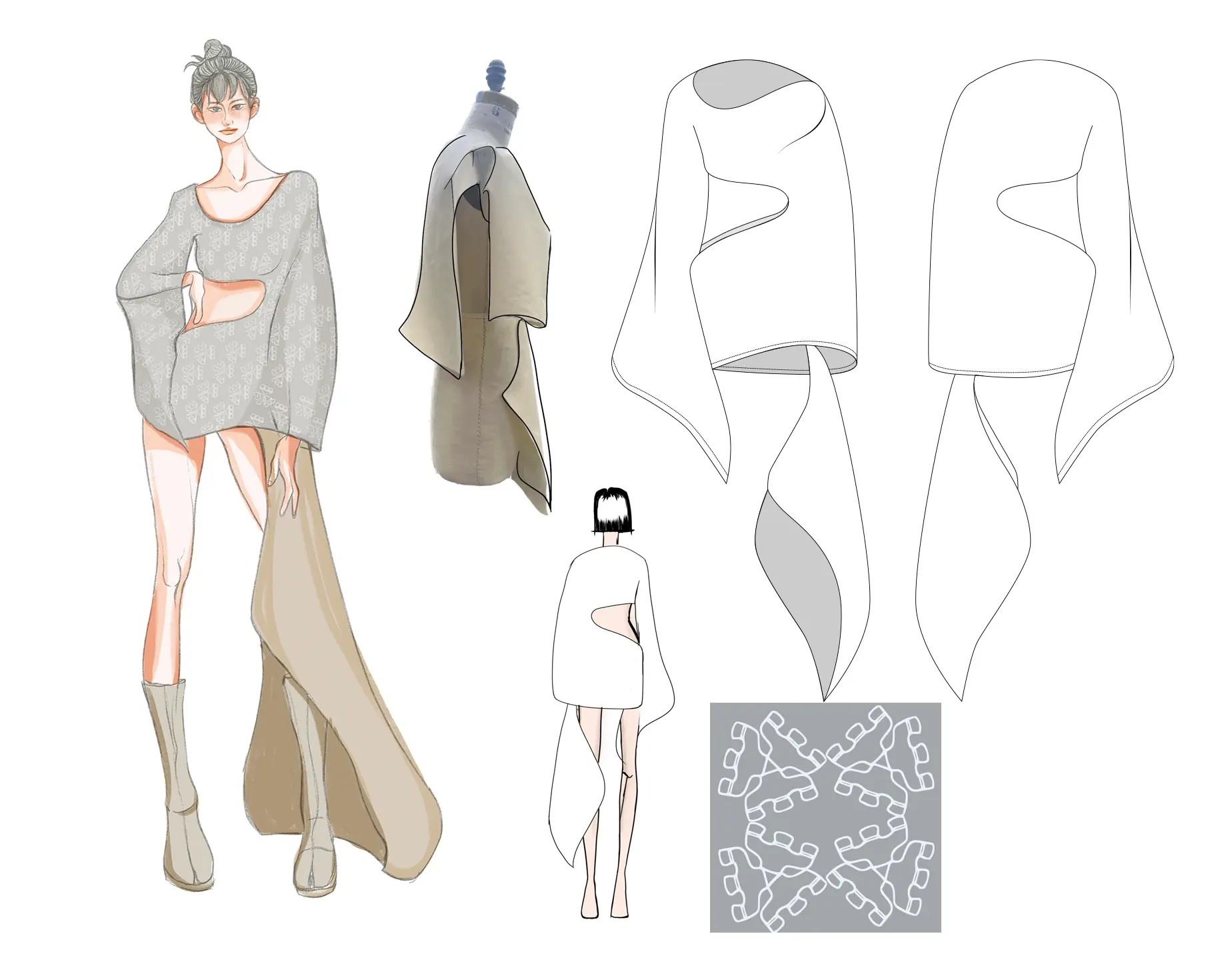
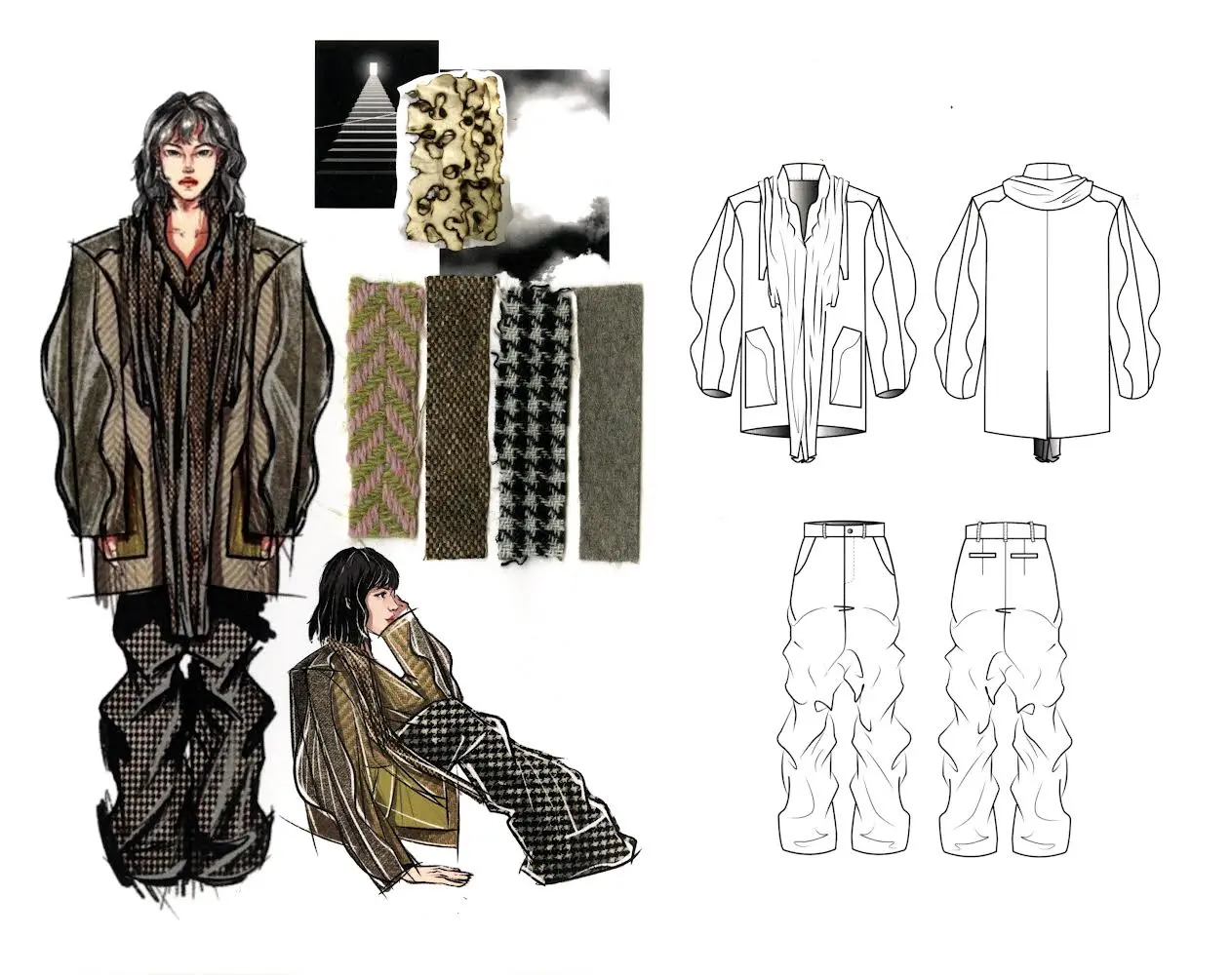
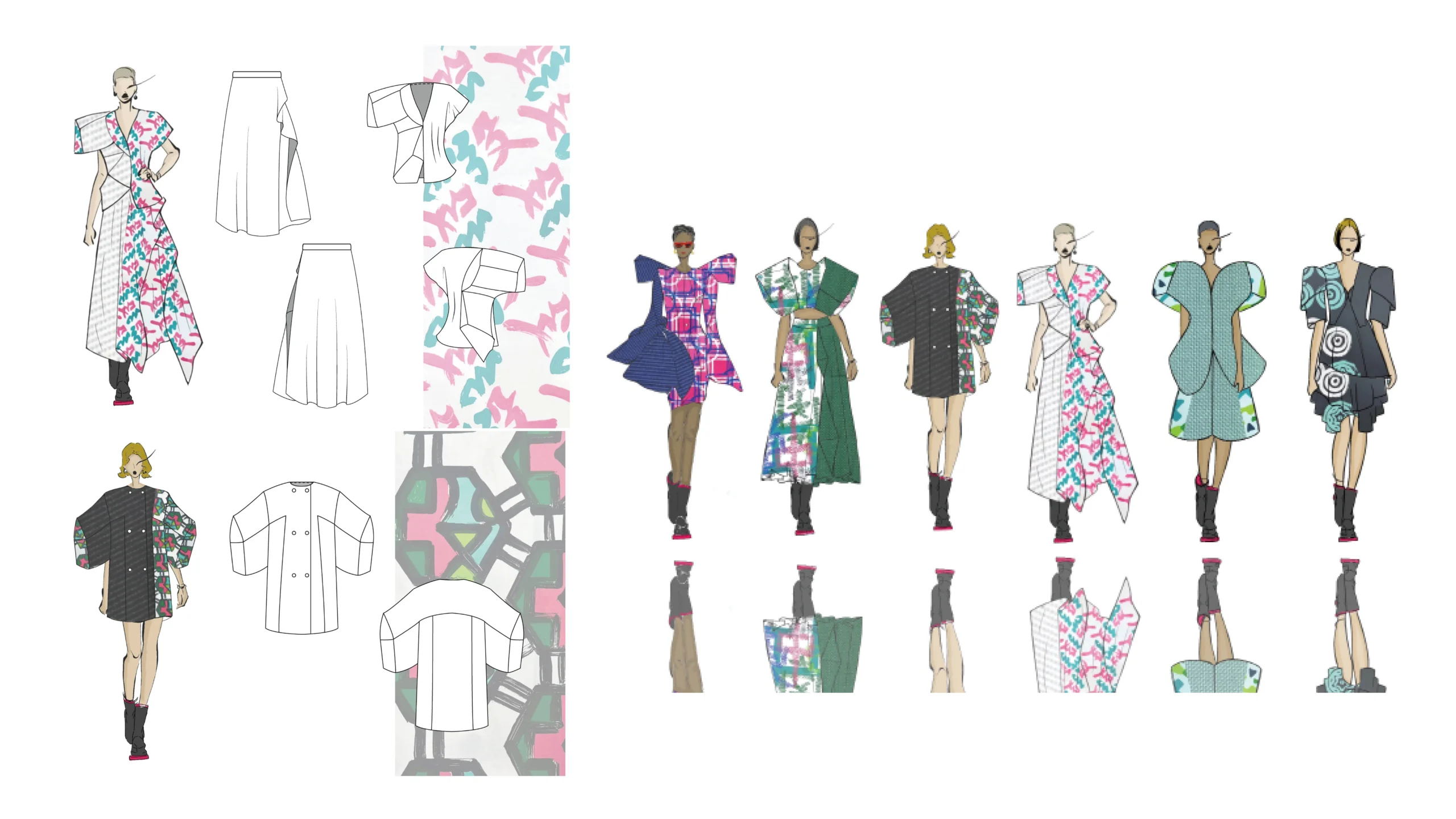
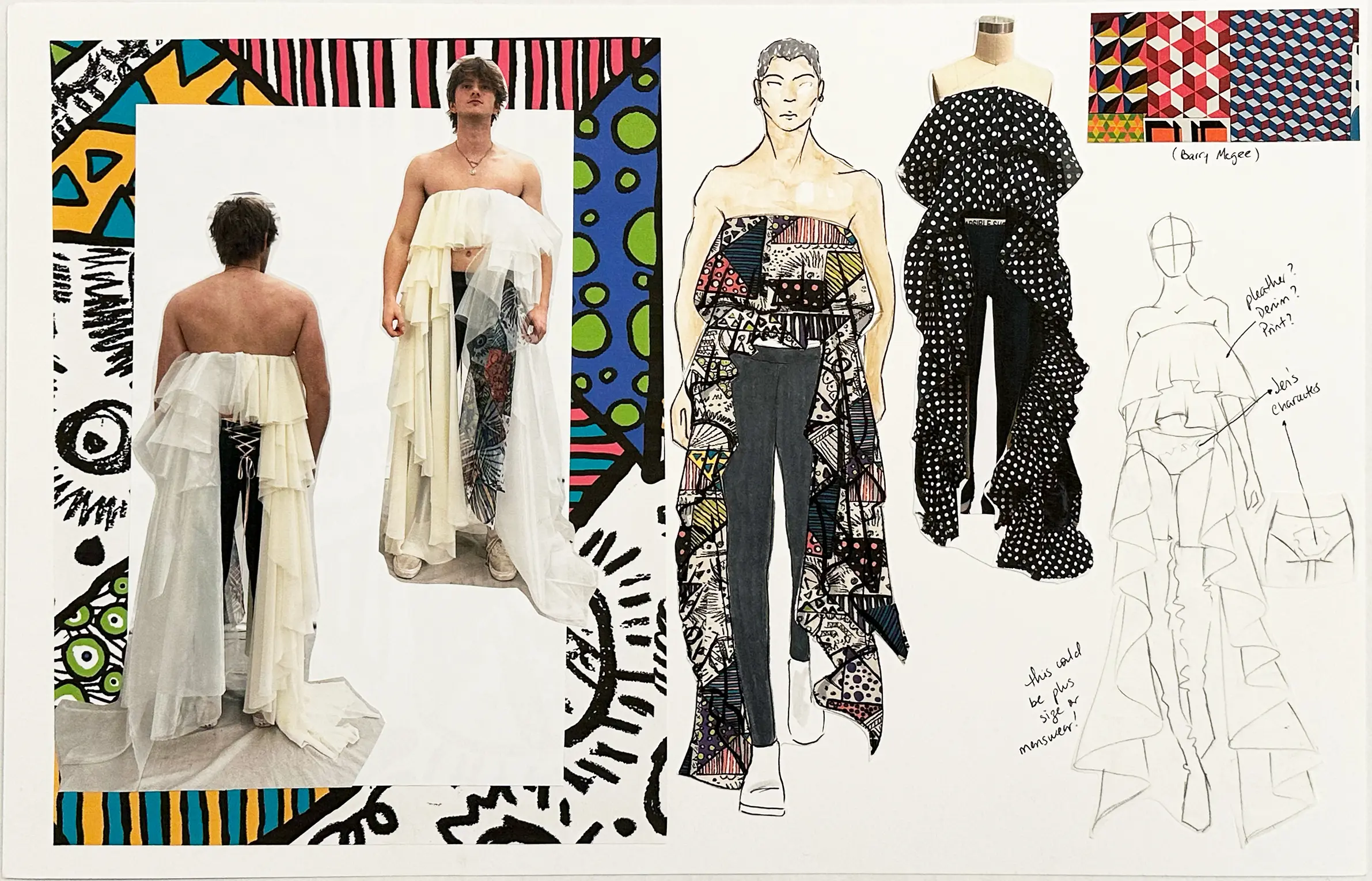
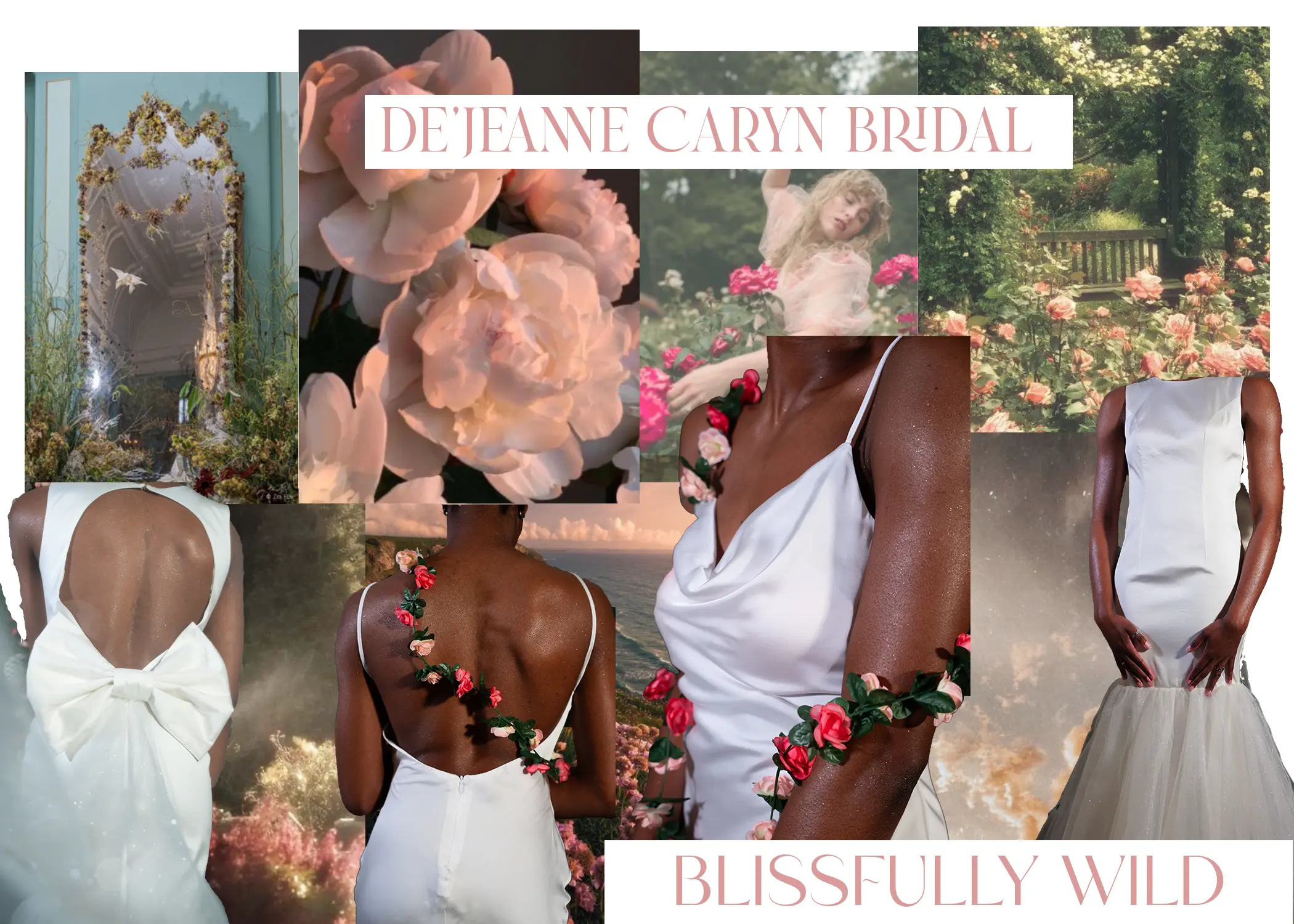
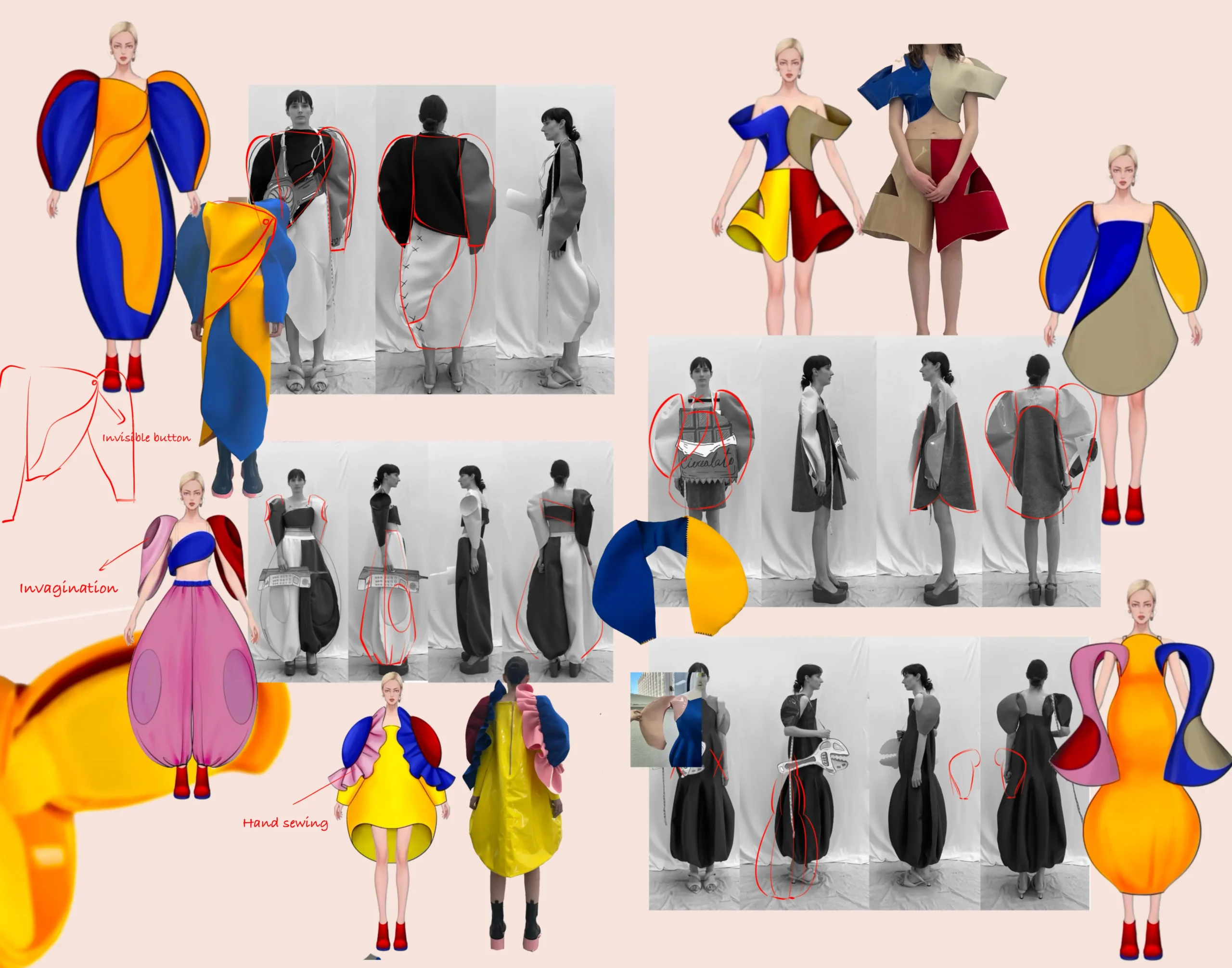
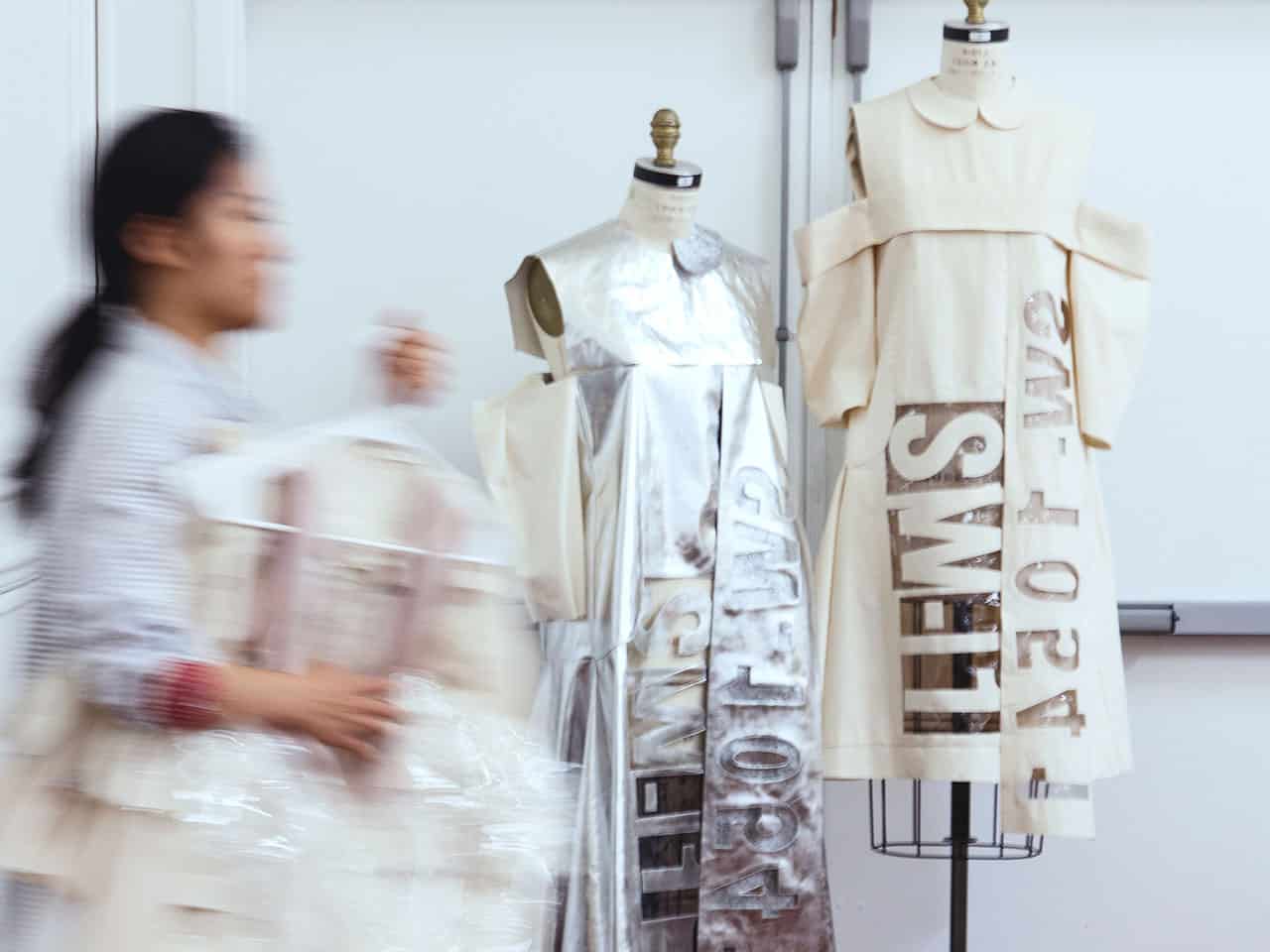
Learn from the finest creative minds working in fashion today to develop your personal vision and design philosophy. Courses cover the entire fashion design process from visual research, idea sketching, and design development to technical flat sketching and materials sourcing to creating line plans, draping, and construction of full garments.
Textile Design
expand_more
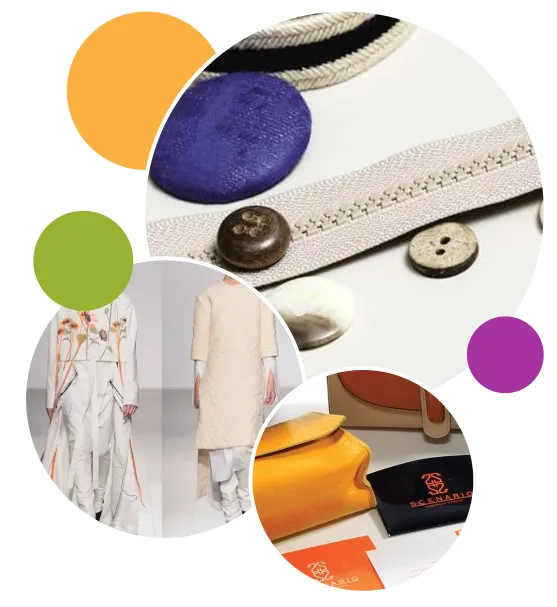
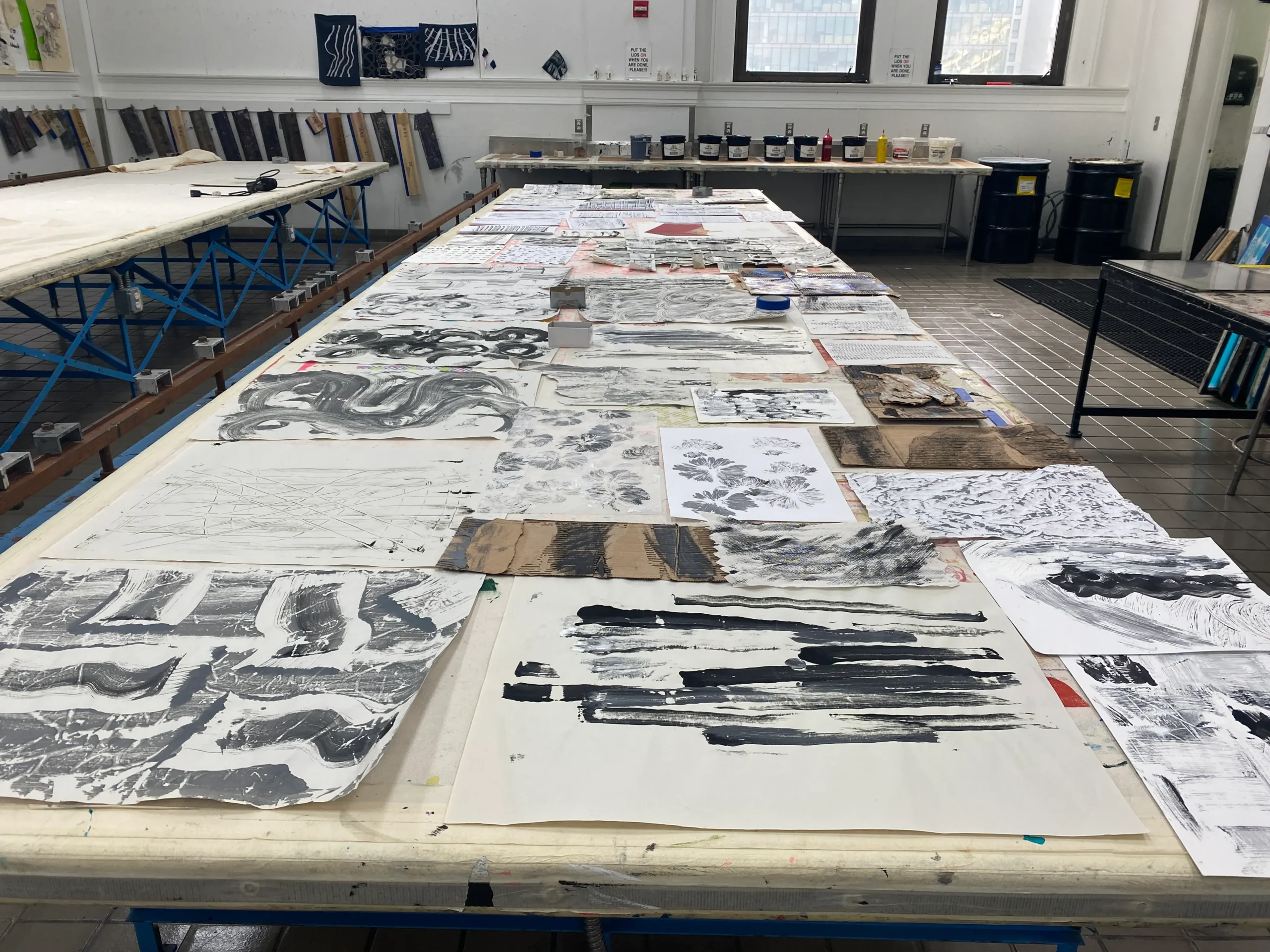
The Textile Design degree program gives you the skills necessary to fully realize your creative visions. From fabric burnout to photographic screen printing to computer-assisted print designs and knitwear, you’ll develop your drawing and color skills in coursework that combines excellence in design, artistic vision, and innovative technology.
Costume Design
expand_more
The costume design emphasis combines a rigorous sewing program with industry-specific design courses, preparing students to work in theater and film. Students are given the opportunity to gain practical experience through collaborations with the School of Motion Pictures & Television and the School of Acting.
Fashion Art Direction
expand_more
Our Fashion Art Direction program will give you the creative and technical skills to pursue a wide variety of careers, including photo or video producer, art director for fashion magazines and brands, creative director, fashion editor, fashion stylist, creator of visual content for social media and visual merchandiser.
Fashion Communication & Styling
expand_more
The Fashion Communication & Styling program provides complementary skills in Fashion Styling and Fashion Journalism, helping you build skills in styling, image making, video production, written communication, and social media. This highly collaborative degree will help you acquire the skills needed to build an industry-leading styling portfolio that showcases your industry knowledge, unique creative vision, and expertise.
Fashion Journalism
expand_more
The Fashion Journalism programs—with a special focus on Social Media—equip you with subject-area expertise to help communicate the rising complexity of the global fashion industry. You will learn how to ask informed questions, convey fashion news in a larger context, and evaluate fashion collections with a critical eye. You will also learn to produce cross-platform stories that are nuanced and sophisticated for print, digital, and social media.
Fashion Marketing
expand_more
You will learn the skills required to balance both the creative and analytical aspects of the fashion industry. You’ll learn how to use consumer and market insights to plan and develop concrete fashion marketing and promotional strategies for brands, products, and services in the global market.
Fashion Marketing & Brand Management
expand_more
In this program, we’ll teach you how to create, market, and manage fashion brands worldwide. You will conduct in-depth research to gain insights on global consumers, emerging and developed markets, and trends in the fashion industry. You will learn the knowledge and skills necessary to build marketing and brand strategies using both creative and analytical methods.
Fashion Merchandising
expand_more
Through hands-on projects based in real-world scenarios, you will develop a foundation in fashion merchandising and fashion business management including how to plan, manage, and sell products around the world. You will gain the skills and knowledge required for a successful career in global fashion business operations.
Fashion Merchandising and Management
expand_more
Operations in today’s global fashion business are complex. We’ll teach you the in-depth knowledge and skills required to gather, analyze, and use market research. You will learn how to plan, manage, and sell fashion products around the world, both online and in traditional brick and mortar environments.
Fashion Product Development
expand_more
In the Fashion Product Development program, you will learn to create and develop products that are on-brand and targeted for a wide variety of customer segments. You will analyze current trends, create technical drawings (both by hand and using industry standard software), identify and source materials, and plan for production of seasonal collections.
Allied Skills
Jewelry & Metal Arts
expand_more
The School of Jewelry & Metal Arts teaches students techniques that range from traditional jewelry skills to the latest in laser, kinetics, mixed media, electronics, and 3D modeling. Collaboration with the School of Fashion plays a key role in documenting, assembling, and presenting final portfolios.
Photography
expand_more
The School of Photography will change the way you see the world. From day one, you will be immersed in the history, art, and science of photography. You’ll learn everything from how to tell a compelling story through images to the technical requirements for shooting in both natural and studio lighting environments.
Fine Art
expand_more
A Fine Art education at Academy of Art University not only teaches you the fundamentals of the classical tradition, it prepares you for a successful career in the real world. The foundational skills of composing, designing, drawing, painting, and sculpting are applicable across all artistic disciplines, including fashion.
Online Learning
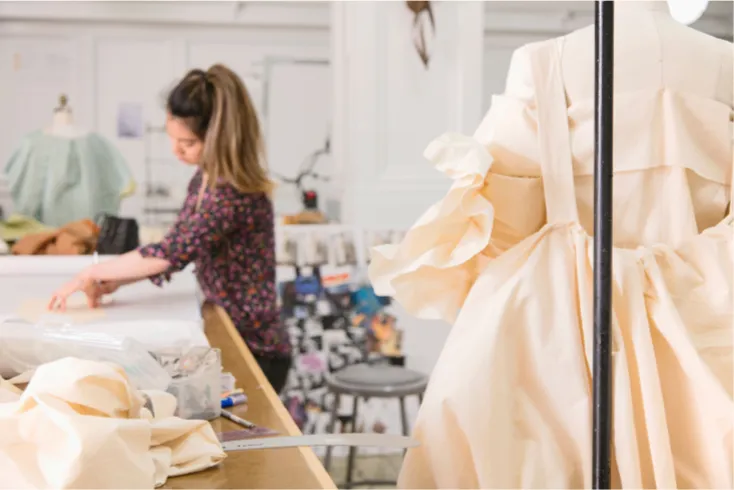
The School of Fashion offers programs that can be fully completed online, allowing students from anywhere in the world to receive a top-quality accredited degree. Our online programs mirror our on-campus curriculum. We offer over 200 courses taught by working professionals, options for learning in asynchronous formats and real-time virtual classrooms, and technical support.
We pride ourselves on our hands-on approach. For students of fine and applied arts, assessment of work is as important as the work itself. We provide a collaborative space where you can share work, exchange constructive feedback with peers, and receive custom instruction, evaluation, and critique from leading industry experts.
Student Work

Fashion Careers
- Fashion Designer
- Design Director
- Executive Editor
- Fashion Editor
- Patternmaker
- Stylist
- Knitwear Designer
- Textile Designer
- Visual Merchandising Director
- Fashion Journalist
Companies That Have Hired Our Students





I have always been a creative person, but I had never done sewing and putting things together before. I was scared, but my professor helped me a lot, and I discovered something new in myself—that I can really excel in this. My professors motivate me to try things. They keep me on my toes,I love that about them.

Muskan Bhardwaj
Fashion, BFA
